
What Happens When Someone Has a Medical Emergency at an Event?
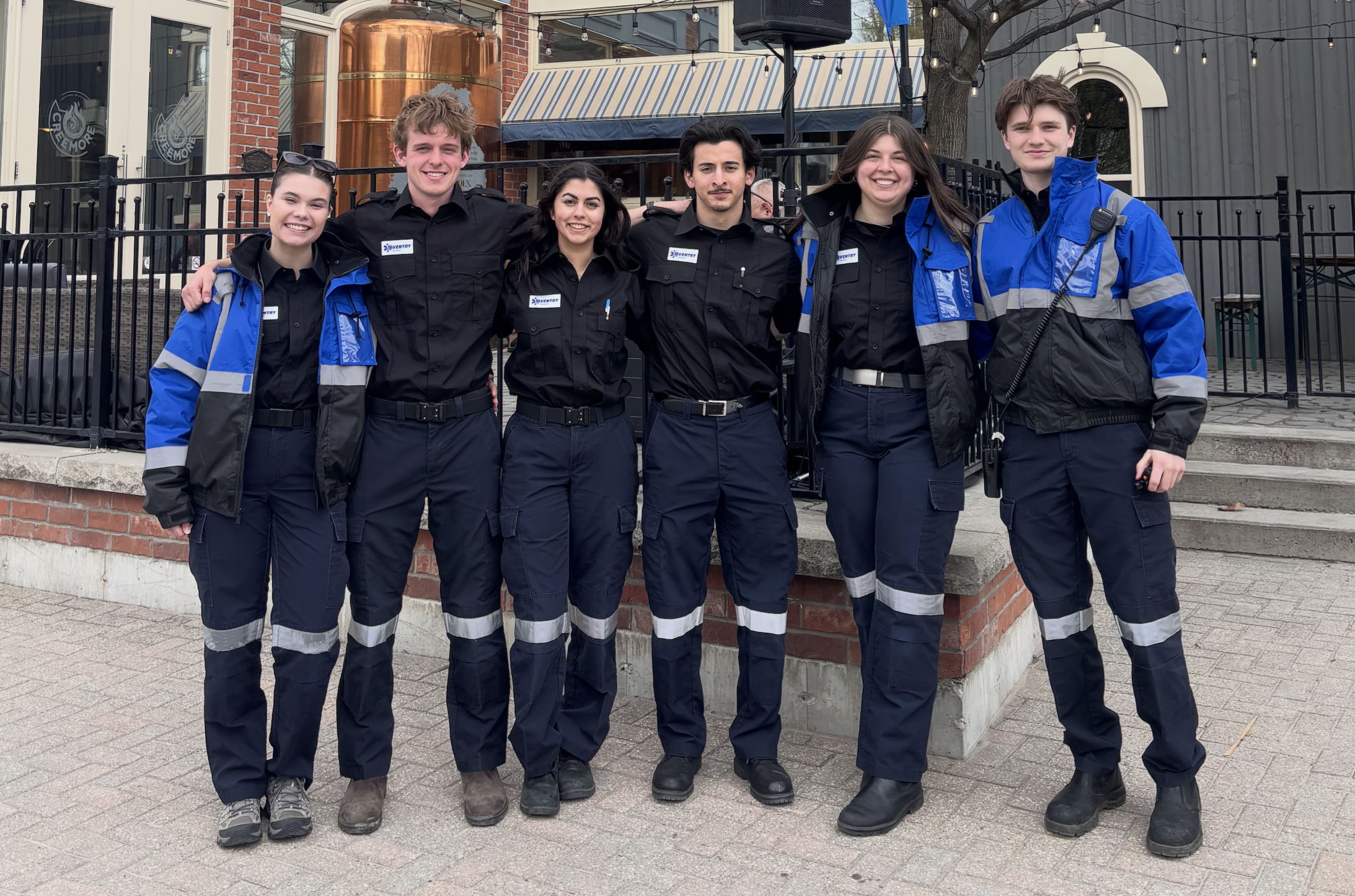
The majority of event medical calls involve everyday injuries and illnesses. Having qualified medical personnel on site ensures participants receive timely care when they need it.
One of the biggest misconceptions about event medical coverage is that it's primarily there for catastrophic emergencies. When people think about event medicine, they often picture ambulances, cardiac arrests, and serious injuries. While those situations do occur and our medical team trains extensively for them, they are not what we see most often. In reality, the majority of patients who seek medical attention at events are dealing with far less dramatic issues. A runner may become dehydrated after pushing too hard on a hot day. A volunteer who has been standing in the sun for hours may start feeling lightheaded. A spectator might trip and injure an ankle while moving around the venue. These situations are common, and while they are not always emergencies, they still require proper assessment and care.
When a patient approaches a medical team or a responder is called to an incident, the first priority is determining what is actually happening. Medical personnel assess the patient, gather information, and identify any immediate concerns. Sometimes the cause is obvious. Other times, symptoms that initially appear minor can indicate a more serious underlying problem. The goal is to quickly determine whether the patient can be safely managed on site or whether they require a higher level of care.
Many organizers are surprised to learn how often patients can be treated without requiring ambulance transport. Through our medical direction program, Aventry responders are able to assess and manage a wide range of common injuries and illnesses encountered at sporting events, festivals, corporate activations, and public gatherings. Heat-related illness, dehydration, asthma symptoms, minor allergic reactions, cuts, scrapes, sprains, and many other conditions can frequently be treated on scene. In these cases, patients receive care quickly and are often able to recover without needing to visit an emergency department.
Of course, not every situation can be resolved at the event. Some patients require a higher level of medical care and transport to hospital. Chest pain, severe allergic reactions, significant trauma, altered levels of consciousness, and serious breathing difficulties are just a few examples of situations where emergency services may need to be activated. When this occurs, having trained medical personnel already on site becomes particularly valuable. The patient has already been assessed, vital signs have been obtained, treatments may have been initiated, and important information has been gathered. By the time paramedics arrive, they are receiving a patient who has already entered the healthcare system rather than starting from scratch.
Beyond patient care, event medical teams also play an important role in supporting the overall operation of an event. Organizers, volunteers, and staff know who to contact when a medical issue arises and can focus on their own responsibilities rather than trying to determine how to handle a situation themselves. A well-integrated medical team provides reassurance not only to participants and spectators, but also to the people responsible for running the event.
The most successful event medical operations are often the ones that receive the least attention. Most attendees never see the medical calls that occur throughout the day. They do not see the participant who was treated for dehydration, the volunteer who was assessed after feeling unwell, or the spectator who received care following a minor injury. They simply experience an event that feels safe, organized, and professionally managed.
Ultimately, event medical coverage is not just about preparing for worst-case scenarios. It is about ensuring that when someone needs help, whether the issue is minor or serious, there is a qualified team ready to respond. For organizers, that means having confidence that medical concerns will be handled appropriately. For participants, it means knowing that care is available if they need it. And for everyone involved, it helps create a safer and more successful event.
The Aventry Journal is published by Aventry Medical. Articles represent editorial perspectives on event safety and are intended to inform practice, not to constitute medical or legal advice.